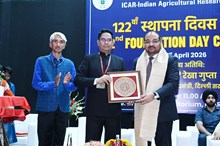






India has taken an important step toward safeguarding its rich livestock diversity by formally recognizing three indigenous animal breeds from the Andaman & Nicobar Islands—the Andamani goat, Andamani pig, and Andamani duck. This recognition by the ICAR-National Bureau of Animal Genetic Resources (NBAGR) highlights the growing emphasis on conserving native genetic resources that are well-adapted to local conditions and play a vital role in sustainable farming practices.
An Initiative to Preserve Native Livestock
This development is part of the ambitious national program ‘Mission Towards Zero Non-Descript Animal Genetic Resources of India’, which aims to identify, characterize, and register indigenous breeds to safeguard them from extinction. The ICAR-Central Island Agricultural Research Institute (CIARI), Port Blair, in collaboration with the Directorate of Animal Husbandry and Veterinary Services and the Andaman & Nicobar Administration, played a pivotal role in this effort.
Through extensive field studies, the research team conducted detailed breed characterization and genetic profiling, ensuring a thorough understanding of each breed’s physical attributes, adaptability, and genetic uniqueness. Based on these findings, an application was submitted to the ICAR-Breed Registration Committee, which officially recognized these breeds, strengthening their identity within India’s agricultural landscape.

Detailed Profiles of the Registered Breeds
Andamani Goat: Compact, Hardy, and Climate-Resilient
The Andamani goat, a well-adapted native breed primarily found across the Andaman Islands, is known for its compact body and resilience to the humid tropical climate. Key features include:
-
Color: Mostly black, with a sleek coat that provides natural protection against the island’s environmental conditions.
-
Body Structure: Medium to short stature, ideal for foraging in dense vegetation.
-
Ears: Flat, leaf-like, medium-sized, and drooping, aiding in thermoregulation.
-
Horns: Present in both males and females, small in size, curved backward and upward.
-
Tail: Medium length, slightly curved upward.
-
Weight at 12 Months: Typically ranging from 14 to 19 kg, depending on feeding and environmental conditions.
These goats play a crucial role in local animal husbandry, offering farmers an adaptable breed that requires minimal external inputs while providing consistent meat production. Their ability to survive on natural forage makes them economically viable, especially in regions with limited agricultural land.

Andamani Pig: Sturdy, Distinct, and Highly Productive
Distributed across different islands, the Andamani pig stands out for its robust build and distinctive features. Known for its hardiness, it has adapted seamlessly to island conditions, making it an integral part of local pig farming. Notable characteristics include:
-
Color: Predominantly black, though brownish pigs are occasionally observed.
-
Coat Texture: Thick, coarse hairs on the neck and back, providing insulation. The flank and side regions have shorter, finer hairs for flexibility.
-
Unique Feature: A slightly downward arch or curvature of the back, commonly referred to as a low back, distinguishing it from other pig breeds.
-
Weight at 1 Year: Males weigh 60–75 kg, while females range from 55–65 kg, demonstrating their strong growth potential.
-
Litter Size at Farrowing: Typically between 6 to 13 piglets, ensuring high reproductive efficiency.
Their ability to thrive in challenging environments makes them an important breed for sustainable pig farming in the islands. Local farmers benefit from low maintenance requirements, adaptability, and high fertility rates, positioning the Andamani pig as a key component in regional livestock production.


Andamani Duck: A Dual-Purpose Breed for Poultry Farming
The Andamani duck, native to North and Middle Andaman, is valued for its meat and egg production, making it an ideal dual-purpose breed for poultry farming. It possesses a range of defining features, including:
-
Neck: Longer than that of most indigenous duck breeds, allowing for better maneuverability while foraging.
-
Bill: Yellowish with a black tip, offering a unique contrast in appearance.
-
Skin: Black, an uncommon trait that contributes to its distinct identity.
-
Markings: A white band encircling the neck, setting it apart visually.
-
Shank: Shorter compared to other native ducks, making it efficient for navigating island terrain.
This breed offers high adaptability, making it well-suited for both free-range and semi-intensive poultry farming systems. Its ability to forage efficiently enhances its sustainability in smallholder farming environments.
Significance of Breed Recognition: A Step Toward Sustainable Livestock Farming
With climate change posing an increasing threat to livestock farming, breed adaptability is more important than ever. The genetic characterization of the Andamani goat, pig, and duck has revealed that these breeds possess high genetic diversity, making them well-suited to withstand changing environmental conditions. Their ability to thrive in the islands’ microclimate underscores their importance as climate-resilient livestock, strengthening food security and agricultural sustainability in the region.
By officially registering these breeds, the initiative supports localized farming, enhances productivity, and ensures preservation of biodiversity, directly benefiting farmers who rely on indigenous animal husbandry for their livelihoods.
Looking Ahead: Indigenous Livestock in India’s Agricultural Future
The recognition of the Andamani goat, pig, and duck is not just a scientific achievement—it represents a commitment to preserving native breeds, boosting rural livelihoods, and strengthening biodiversity. As India continues to document and conserve its genetic resources, these breeds serve as symbols of resilience, adaptation, and sustainability.
This recognition ensures that farmers in the Andaman & Nicobar Islands have access to better breed development, research opportunities, and government support, promoting sustainable farming models that align with environmental conservation.
With this historic milestone, the Andamani breeds stand as a testament to the importance of indigenous livestock in shaping the future of farming—not just in the islands but across the country.