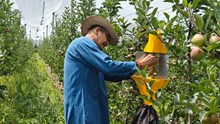






Modern agriculture left behind the old image of tractors and sprinklers years ago. Today's farms look more like high-tech production facilities where every process gets optimized through sophisticated software and energy tech. The International Renewable Energy Agency reports that agriculture eats up roughly 30% of global electricity, making efficient energy management critical for farm profitability. Farmers face a double bind: boost yields while cutting environmental impact.
Specialized IT solutions for the energy sector help transform ordinary farms into smart, self-sufficient ecosystems. This article examines how technology reshapes agriculture and why proper energy infrastructure makes the difference between success and failure.
Smart Grids Serving Agribusiness
Distributed energy systems on farms started appearing years ago, but real breakthroughs happened only in the last three or four years. Companies like Siemens and John Deere test integrated platforms combining solar panels, wind turbines, and storage into unified networks. These energy IT solutions from providers like DXC Technology don't just generate electricity on-site – they intelligently distribute power across different processes based on current farm needs.
California's N-DRIP introduced a micro-drip irrigation system consuming 70% less electricity than traditional methods. The platform uses predictive analytics to forecast water needs and runs pumps only when absolutely necessary. Dutch greenhouse operators developed similar solutions, turning their facilities into genuine energy hubs.
Autonomy as the New Standard
Australia's Sundrop Farms ditched external electricity and freshwater completely. The operation installed 23,000 mirrors concentrating solar radiation for seawater desalination and power generation. Management systems run on complex algorithms accounting for weather, seasons, and even yield forecasts months ahead.
This level of automation demands rock-solid software. When critical systems keep plants or animals alive, failures aren't acceptable. Developers increasingly borrow practices from rigorous automotive functional safety standards and adapt them to agriculture. This mindset ensures that software passes through multiple reliability and safety testing cycles before going live.
Big Data Analytics and Energy Efficiency
Contemporary farms generate massive data volumes. Soil moisture sensors, weather stations, monitoring cameras, energy meters – all create real-time data streams requiring instant processing. Climate Corporation (Bayer's subsidiary) built Climate FieldView, a platform collecting information from thousands of farms and analyzing correlations between energy consumption, weather, and yields.
Data reveals non-obvious patterns. Shifting irrigation time by just two hours can cut electricity costs 15-20% thanks to natural temperature fluctuations and rate changes. Certain crops grow better under LED lighting with dynamic spectrum changes, consuming less energy than traditional sodium lamps.
Machine Learning for Process Optimization
Startup Prospera Technologies went further, creating a computer vision system analyzing plant conditions through cameras and automatically adjusting microclimate parameters. Machine learning algorithms determine exactly when to increase lighting intensity or change temperature, avoiding wasted energy.
Implementing such systems requires serious, safety‑oriented development practices. Algorithm errors could destroy millions in crops. That is why many teams follow structured functional safety guidelines: they mandate thorough documentation at every development stage, multi-level testing, and mandatory validation before industrial deployment.
Blockchain and Decentralized Energy
One fascinating recent trend: using blockchain for trading surplus electricity between farms. Germany launched Energy Web Chain, a pilot where agricultural producers sell excess solar energy to neighboring operations or even urban consumers.
Brooklyn Microgrid in New York proved peer-to-peer energy trading works. Why not apply this to rural areas? Dutch company Vandebron already tests similar models for agriculture. Farmers install smart meters automatically tracking generation and consumption, while smart contracts ensure instant settlements without intermediaries.
Challenges and Regulatory Issues
Nothing runs perfectly smooth, of course. Energy infrastructure in many countries remains centralized and bureaucratic. Selling electricity requires licenses, certificates, approvals. But some regions welcome innovation. California passed SB 100 stimulating local grid development, while the European Union actively funds projects through Horizon Europe.
Technical challenges persist too. Integrating different systems from various manufacturers creates headaches. Communication protocols don't always match, standards vary. The industry gradually moves toward unified open standards like OpenADR for demand management or Modbus for industrial automation.
Autonomous Transport and Equipment Electrification
Autonomous tractors aren't science fiction anymore. John Deere unveiled a fully autonomous 8R tractor at CES 2022, capable of working fields 24/7 without human involvement. But here's what's interesting: electric and hybrid agricultural equipment opens new possibilities for integration with farm energy systems.
Monarch Tractor released an electric tractor with built-in solar panels and the ability to work as a mobile energy storage unit. During low-load periods it charges from the farm microgrid; during peak hours it feeds energy back. This two-way interaction (vehicle-to-grid) fundamentally changes energy resource management approaches.
Critical System Safety
When autonomous equipment operates in fields round-the-clock, software reliability becomes paramount. Navigation system failures could damage crops or cause accidents. Manufacturers apply rigorous functional safety principles, originally refined in the automotive industry, to create multi-layered protection systems.
These approaches require:
-
Hazard analysis during design phase
-
Redundant systems for critical functions
-
Mandatory testing under extreme conditions
-
Continuous monitoring and diagnostics during operation
-
Safe shutdown procedures when errors appear
This thoroughness pays off. Crops and the safety of people working near autonomous machinery both depend on it.
Internet of Things and Smart Sensors
IoT implementation scales in agriculture are impressive. MarketsandMarkets predicts the agricultural IoT market will hit $20 billion by 2025. Dozens of companies offer specialized sensors monitoring everything from soil pH to ammonia levels in livestock facilities.
Israeli firm CropX developed soil sensors transmitting moisture, temperature, and conductivity data to the cloud every 15 minutes. Algorithms analyze information and issue irrigation recommendations. Result: 40% water savings and 25% less electricity, since pumps run only when truly needed.
French company Weenat took a different path, creating a network of solar-powered agricultural weather stations. Sensors measure leaf moisture, wind speed, precipitation, and even plant disease risk. Farmers receive smartphone alerts and can make preventive decisions, conserving resources.
Data Standardization Problems
Each manufacturer uses proprietary data formats and communication protocols. CropX sensors don't speak the same language as John Deere systems. This creates problems – farmers juggle dozens of different apps and platforms.
The industry recognizes the issue. AgGateway consortium works on universal data exchange standards. The ADAPT initiative (Agricultural Data Application Programming Toolkit) aims to make information from different sources compatible and available for analysis in unified systems.
Artificial Intelligence for Energy Management
AI-based systems predict farm energy needs with 95% accuracy. Grid Edge developed a platform analyzing historical data, weather forecasts, electricity market prices, and automatically optimizing equipment operating modes.
Picture this scenario: the system knows electricity prices will jump 30% in two hours due to peak demand. It preemptively runs cold storage units at full capacity, creating a cold reserve, then switches them to maintenance mode during expensive hours. Savings can reach thousands monthly for large operations.
IBM Watson already gets used by some farming cooperatives for yield forecasting and logistics optimization. But new applications include energy consumption management. For instance, algorithms might decide whether to start irrigation systems now or wait a few hours when stronger winds make wind turbines generate more cheap electricity.
Ethical and Practical Questions
Delegating decisions to artificial intelligence raises concerns. What happens when algorithms make mistakes? Who bears responsibility? Developers increasingly implement "human-in-the-loop" concepts where critical decisions involve human participation.
Modern safety‑critical development methodologies also require documenting AI system decision-making logic. This allows teams to analyze why particular strategies were chosen and to adjust algorithms when necessary.
Hybrid Energy Systems and Storage
Solar panels work great during daytime, wind turbines when wind blows. But what about calm nights? Energy storage became the key element of farm microgrids. Lithium-ion battery technology costs plummeted – prices dropped 89% since 2010.
Tesla Energy supplies Powerwall and Megapack systems for commercial use. Some large farms in Australia and California already installed batteries with several megawatt-hour capacity. They accumulate excess solar energy during day and use it evenings when consumption rises.
Alternative technologies develop too. Redflow produces zinc-bromine flow batteries, more durable than lithium-ion and better performing in hot climates. Energy Vault tests energy storage through lifting concrete blocks – simple and effective at large scales.
Storage Economics
Return on battery investment depends on many factors. In regions with significant day-night rate differences, payback periods can be 5-7 years. Government support programs shorten this timeline. California offers tax credits up to 30% of storage system costs.
But storage's real value appears long-term. It provides energy independence, protection from grid outages, and opportunities to earn from grid balancing. Some farmers even contract with network operators to provide frequency regulation services.
Energy System Cybersecurity
Growing digitalization creates new vulnerabilities. Hacking attacks on farm energy systems could paralyze everything from irrigation to milk cooling. In 2021, a cyberattack on JBS (world's largest meat processor) forced plant shutdowns in the US and Australia.
Software manufacturers implement multi-layer protection systems. Siemens uses comprehensive approaches: data encryption, multi-factor authentication, constant network activity monitoring, regular security updates. But even this doesn't guarantee complete protection.
Interestingly, the US Department of Energy developed special recommendations for critical infrastructure, partially based on proven automotive safety standards and their software lifecycle practices. Principles of a secure software development lifecycle proved useful across different industries.
Prospects and Future Technologies
The next generation of farm energy solutions looks even more futuristic. Solein develops technology producing protein from air, CO2, and electricity. Imagine tomorrow's farm: solar panels generate electricity, part of which goes toward synthesizing livestock feed protein. Completely closed loop.
Another direction – fusion energy. Though commercial use remains distant, startups like Commonwealth Fusion Systems promise compact reactors by 2030. Picture a small fusion installation powering an entire farming community.
Urban vertical farms also change the game. AeroFarms created a system growing greens in controlled environments, using 95% less water and 40% less energy than traditional methods. The secret lies in precise LED spectrum selection and aeroponic technologies.
Government Role and Investment
Transformation requires financial backing. The European Green Deal allocates billions for agricultural decarbonization. Similar initiatives launched in the US (through Infrastructure Investment and Jobs Act), China, and India.
Private investors stay active too. In 2023, venture funds poured over $5 billion into agtech startups. Many focus specifically on energy solutions – from smart microgrids to organic waste utilization systems producing biogas.
The Quiet Shift Behind Modern Farms
Modern agriculture undergoes deep transformation where energy technologies play the central role. From autonomous energy systems to artificial intelligence, from blockchain to quantum computing – the entire arsenal of contemporary innovation aims to make farms more productive, resilient, and environmentally sound. Serious challenges remain: standardization needs, cybersecurity, training farmers on new technologies. But the movement started, and stopping it seems impossible. Tomorrow's farm will be smart, autonomous, and maximally efficient in resource use.